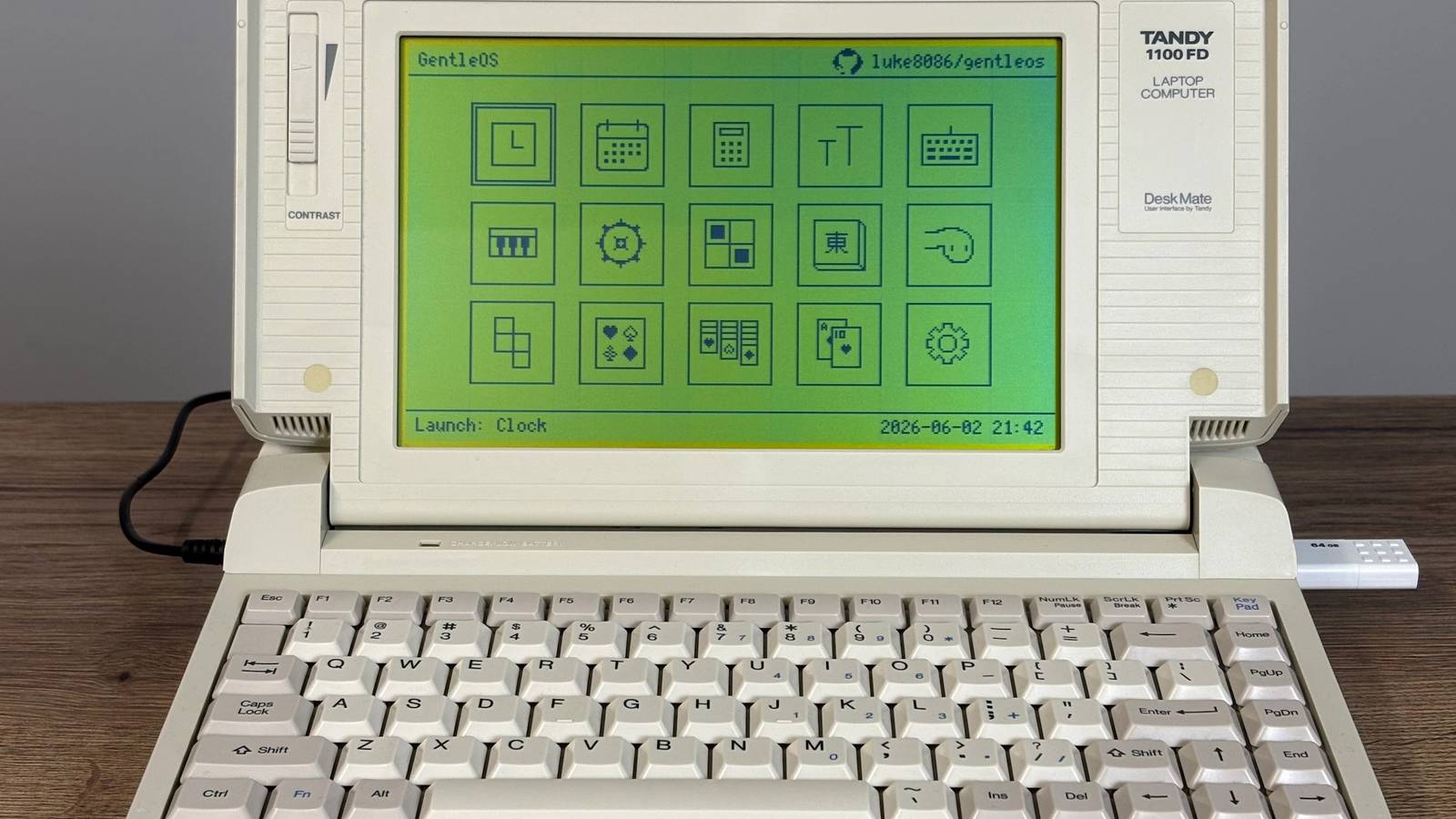
The topic GentleOS/16 is a vintage hobby OS that runs off a 48-year-old CPU and 192KB of RAM is currently the subject of lively discussion — readers and analysts are keeping a close eye on developments.
This is taking place in a dynamic environment: companies’ decisions and competitors’ reactions can quickly change the picture.
As operating systems move forward as a whole, the system requirements for running them only get bigger and bigger. Windows 11’s NPU 2.0 requirement caused quite a stir when it first came to light, and even Ubuntu is asking for better hardware these days.
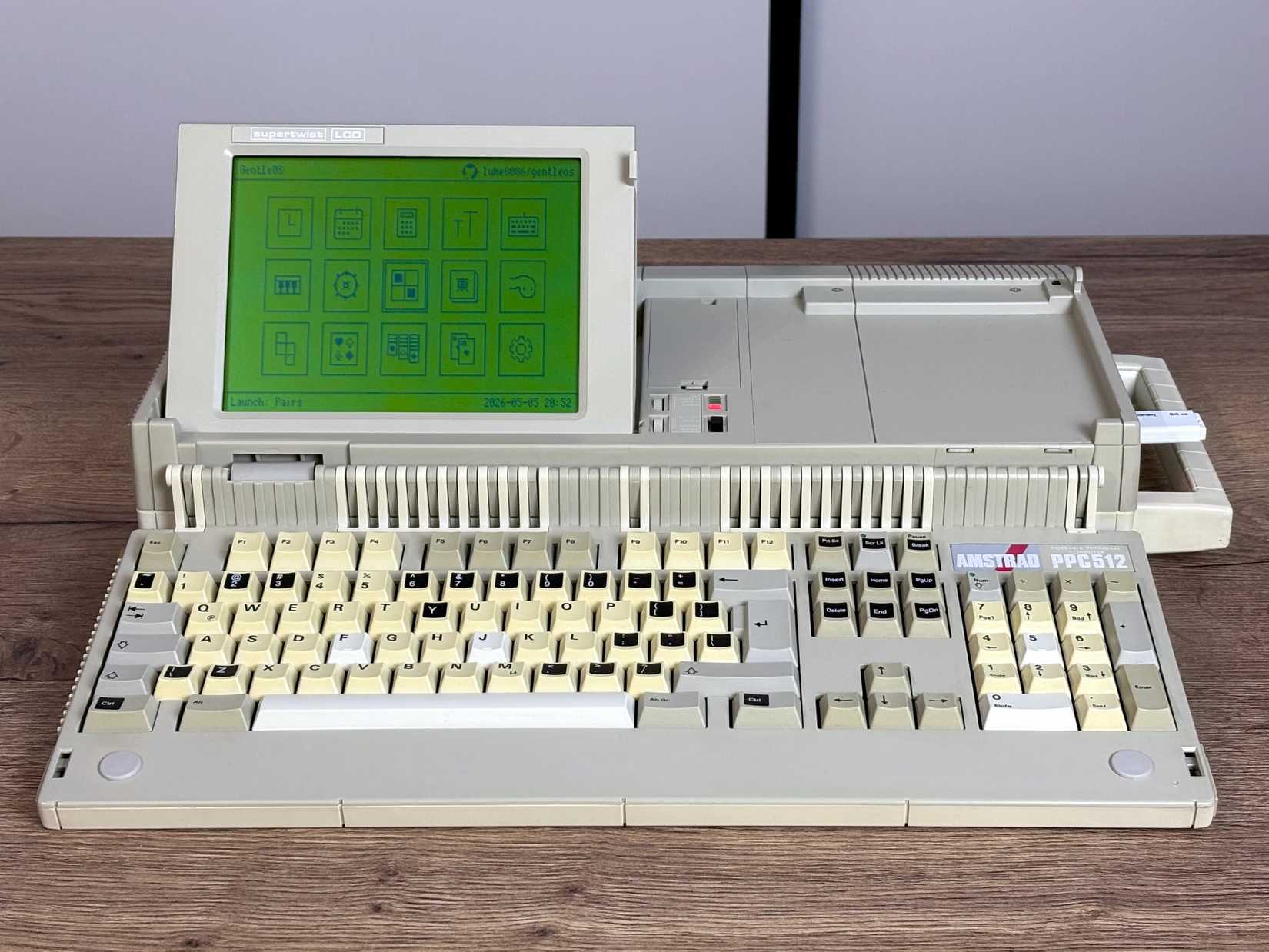
But what if we had an operating system that went in the reverse direction and aimed for older hardware? And what if that older hardware was an 8086 CPU that was released back in 1978? Well, that’s exactly the kind of hardware that GentleOS/16 aims to fit onto.
As spotted by Hackaday, the GentleOS series is designed to work on legacy hardware and demands very little in terms of specifications. While Hackaday focused on GentleOS/32, I couldn’t help but notice that it had a sister project called GentleOS/16. This one focused on even older hardware, aimed at PCs that are at least a decade older than I am:
Its goal is to provide a simple platform for tinkering with retro hardware and running graphical interactive apps on bare metal.
At minimum, it only requires an 8086+ CPU, 192 KB of RAM, and a CGA display supporting 320x200x4 mode.
By design it’s entirely monolithic, mostly configured at compile time, and only supports standard PC devices: CGA/VGA, keyboard, PC speaker. The only future plans are bugfixes, optimizations, and adding more apps.
If GentleOS/16 is still a bit too light on the system requirements for your needs, you can always check out the 32-bit variant we mentioned earlier. This one can run on an “i386 CPU, 4MB of RAM, and a VGA display capable of 640x480x16 mode,” and has some fancy features that GentleOS/16 can only dream of, such as displaying actual, honest-to-goodness colors on the monitor. Yeah, seriously high-tech stuff.
Nothing ever truly dies on the internet and these retro operating systems are live and kicking and ready for you to use.