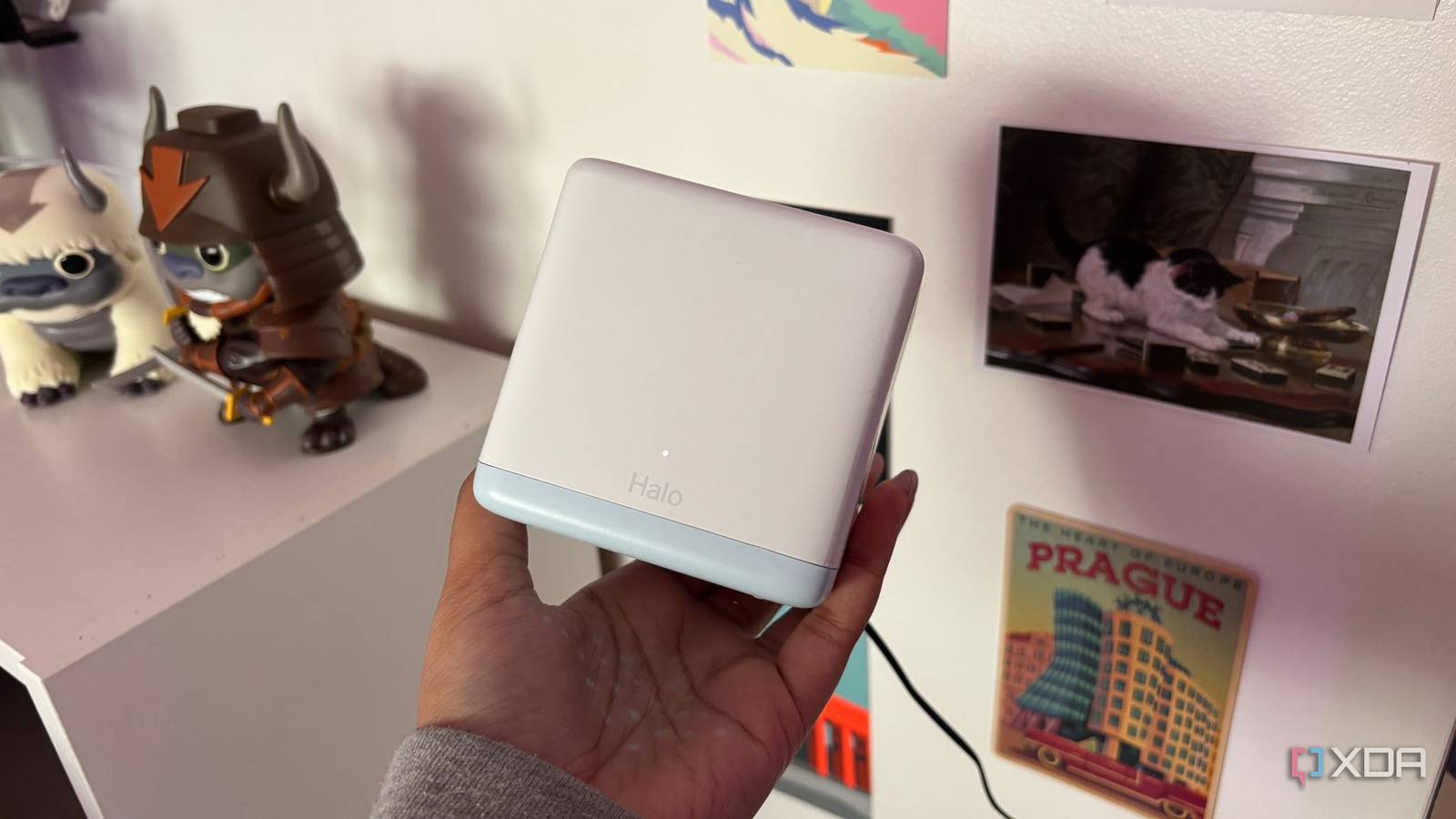
The topic I moved my Wi-Fi mesh nodes instead of replacing them and it made an astronomical… is currently the subject of lively discussion — readers and analysts are keeping a close eye on developments.
This is taking place in a dynamic environment: companies’ decisions and competitors’ reactions can quickly change the picture.
Earlier this year, when I found that my Wi-Fi wasn’t working in certain parts of my home and I was suffering from dead zones, I invested in a mesh Wi-Fi system. Recently, my network has started stuttering, and webpages are throwing loading spinners at me, and my first reaction was that my almost-new mesh Wi-Fi system was already broken or obsolete. I was ready to drop hundreds of dollars on yet another upgrade to my network when, in reality, repositioning my mesh nodes was all I needed to solve all of my dead zones and lag.
Networking dead zones are terrible but they’re often easily fixed.
It’s easy to think that spending almost $400 to upgrade to the latest multi-band Wi-Fi 7 mesh standard will address many common coverage and stability problems at home. After impulsively spending this much money, the setup’s physical reality comes into play.
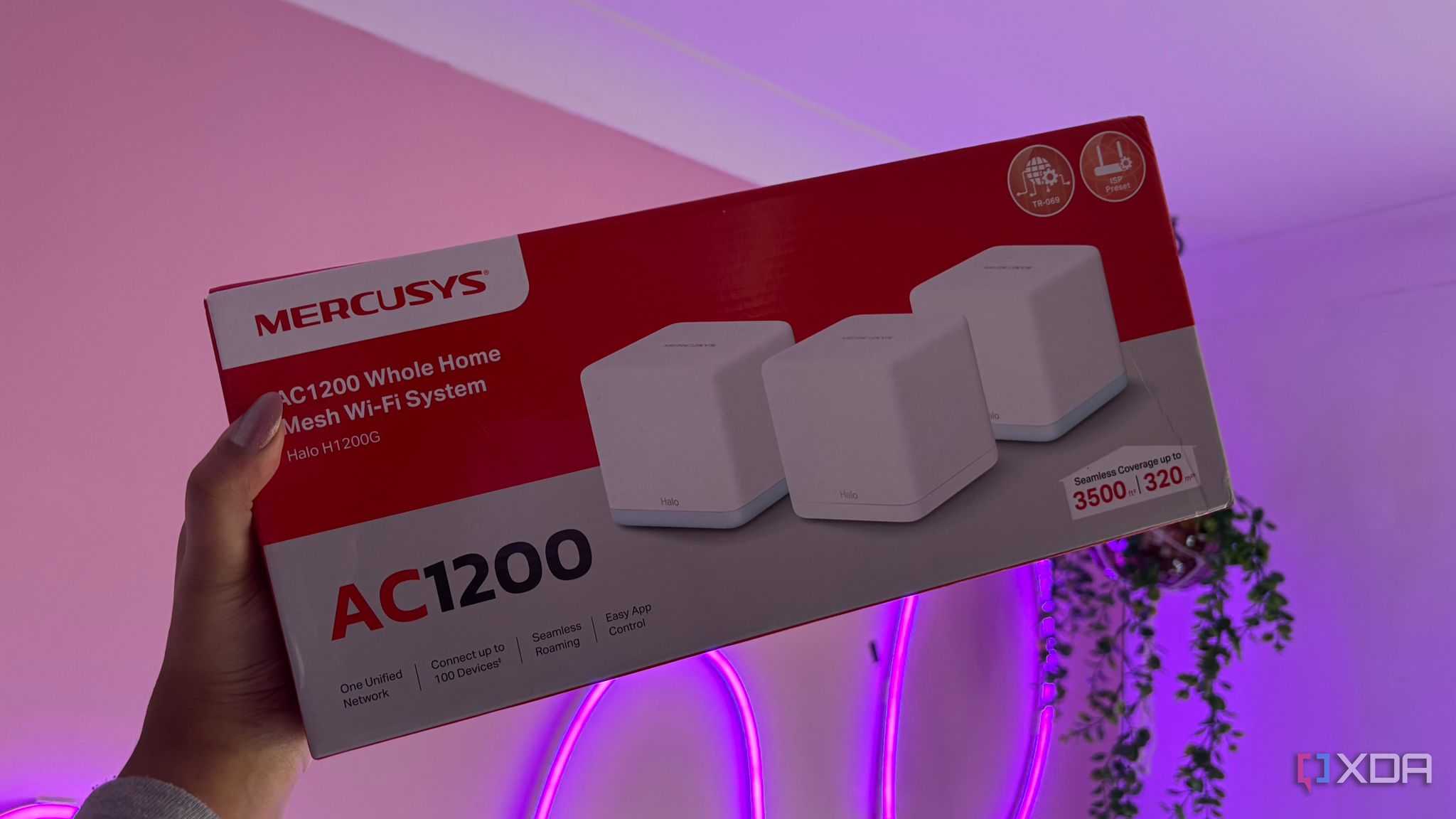
Let’s say you unbox a brand-new multi-node kit, plug the satellites into the exact spots where your Wi-Fi is failing, and you’ll likely see your speeds tank, anyway. Networking hardware rarely fails because of its processing power. It fails because it’s fighting against the physical laws governing radio-frequency propagation.
By moving existing nodes just a few feet or removing an excess node entirely, you can achieve an astronomical performance jump without spending any money. Wireless networking is not a liquid utility that can effortlessly fill a room. In reality, Wi-Fi behaves exactly like light or sound waves. Repositioning your mesh nodes using the geometric principles of radio backhaul links and wave physics often works better than brute force in your home with unoptimized, expensive new hardware tiers.
When first setting up multiple nodes across your home with a mesh Wi-Fi network, it’s easy to think that overlapping signals will create a robust, impenetrable blanket of Wi-Fi across your home. However, in reality, this causes oversaturation, and placing too many nodes in a constrained environment creates co-channel interference. When access points operate too close together on shared frequencies, they essentially scream over one another, driving up the packet loss index and forcing continuous data retransmissions.
On the device side, when a smartphone or laptop is equidistant from two clumped nodes broadcasting identical SSIDs, its internal roaming scripts may struggle. The device experiences ping-pong roaming, rapidly switching connections between the two nodes, which can cause severe latency spikes and drop data links during critical tasks.
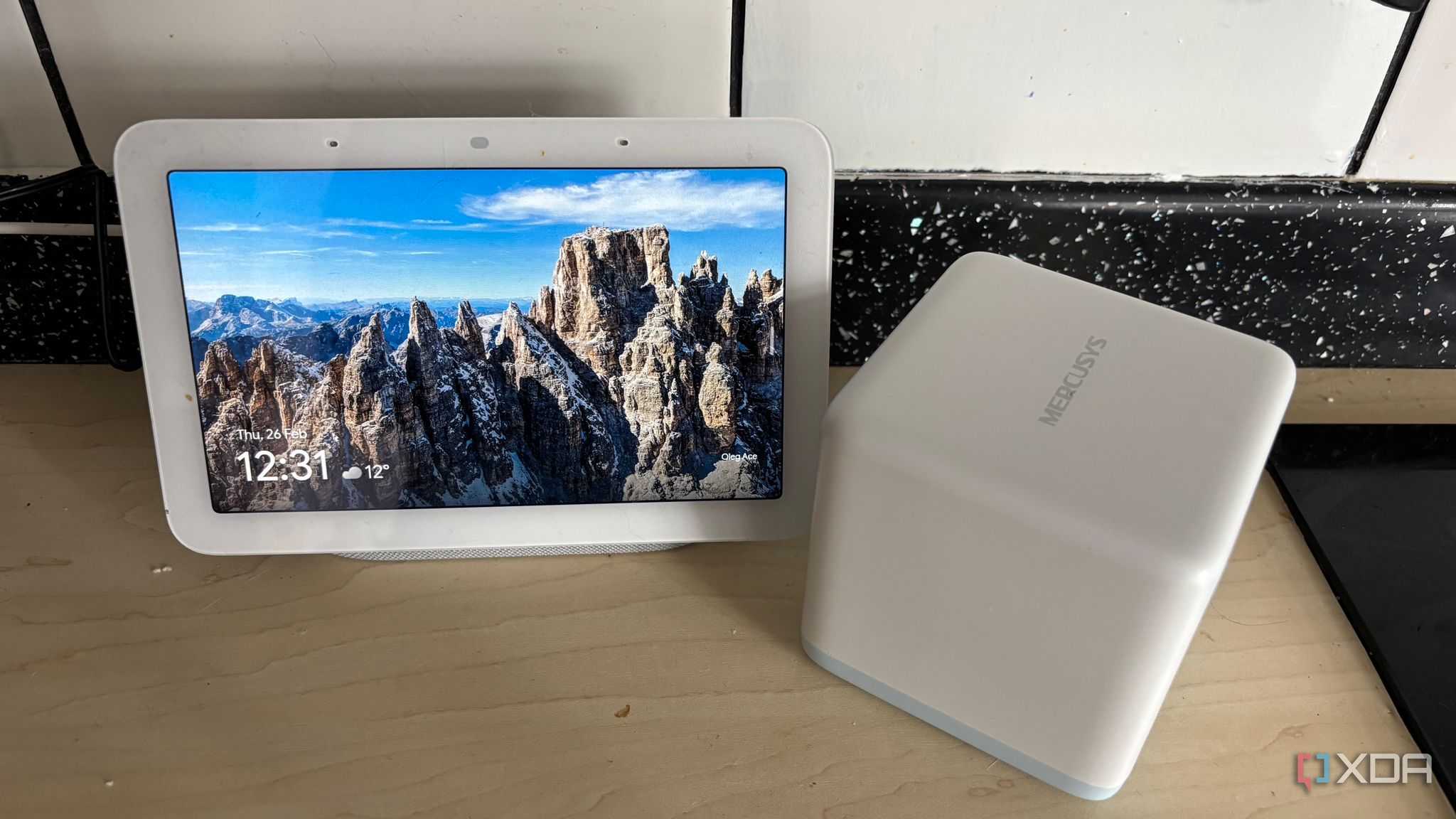
Another issue when setting up nodes is that you may feel like the best place to put them is directly in the dead zones, so it can repair this issue. However, placing a mesh satellite directly in a known Wi-Fi dead zone won’t bring the room back to life. A wireless mesh satellite isn’t a magic data generator; it’s actually a relay bridge. It requires a strong upstream backhaul to the primary router to function.
If you place the satellite in an environment where the core signal is already heavily degraded, the node simply captures that weak, unstable signal and rebroadcasts it with perfect clarity. Ultimately, you end up with full Wi-Fi signal bars on your device, but no underlying internet through.
When setting up your mesh Wi-Fi nodes, you might instinctively go to hide the ugly plastic networking boxes inside cabinets or behind home entertainment center furniture, but in reality, you need to eliminate the hiding spots and oblique angles.
A modern television is essentially a solid sheet of copper circuitry and metallic shielding. Placing a mesh node directly behind it transforms the display into a signal-blocking obstacle, absorbing or reflecting high-frequency 5 GHz and 6 GHz wave channels before they can propagate. There’s also a penalty for placing routers in far corners simply because that’s where the ISP wall jack happened to be. Forcing an omnidirectional signal to travel diagonally through internal walls exponentially increases the effective thickness of the drywall or brick, mimicking the damping effects of a solid concrete barrier.
You also have to ensure that your router or node is elevated, too. Standard radiation patterns from internal mesh antennas propagate outwards and slightly downwards. Leaving a mesh node flat on the floor means a large proportion of its RF energy is immediately absorbed by your house’s foundation rather than illuminating your living space. Place your nodes higher up to ensure that this downward spread can actually be utilized.
Not every networking problem is a hardware deficit that can only be resolved by throwing money at a bigger retail box or higher specifications. The true bottleneck of your home network is likely down to physical geometry rather than silicon itself, and repairing this issue is literally free. Before you spend hundreds of dollars trying to rectify the problem, try moving your mesh nodes around in line with physics. You might notice that your dead zones are suddenly repaired, and your speeds are significantly faster all around your home. I found it was the case for me.